
ABOUT CHINA
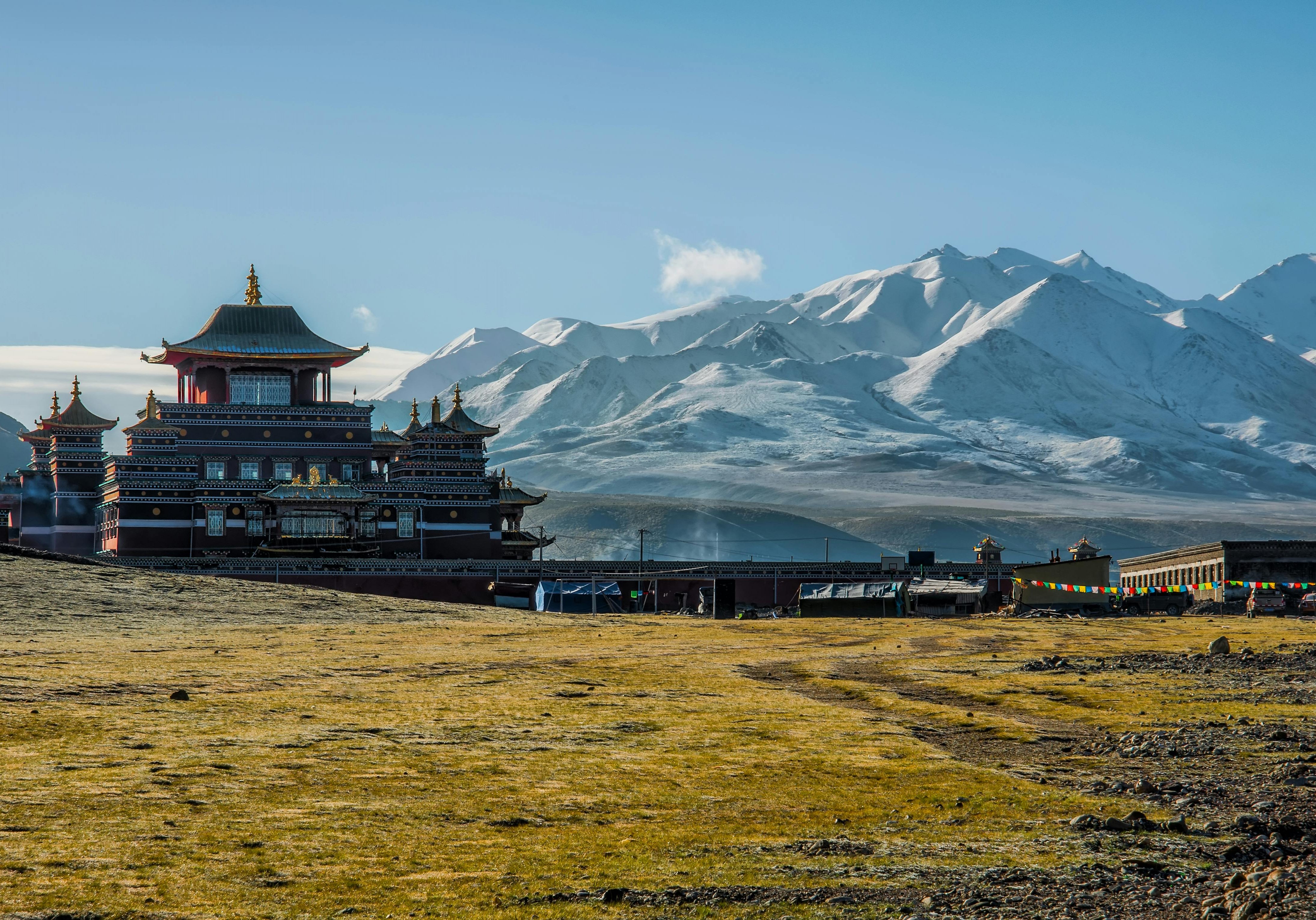
China is one of the largest, oldest and most geographically diverse countries on Earth, sharing borders with 14 countries. It stretches across the meeting point of vast geological systems shaped by the collision of the Indian and Eurasian tectonic plates, creating some of the most dramatic and varied landscapes on Earth. Running across the country are immense mountain chains, high plateaus and fertile river valleys that range from sea level to over 8,000m in elevation. The Himalayas, Karakoram and Tibetan Plateau dominate the west, while the east opens into fertile plains, winding river systems and densely populated coastlines along the Pacific Ocean.
| Capital | Language | Monetary Unit | Population | Area | Time Zone | Passport / Visa |
|---|---|---|---|---|---|---|
| Beijing | Mandarin Chinese with over 300 other dialects | Yuan (CNY) | 1,412,914,000 (17% of world's population) | 9.6 million km2 | GMT +8 | No Visa (2026). This may change. |
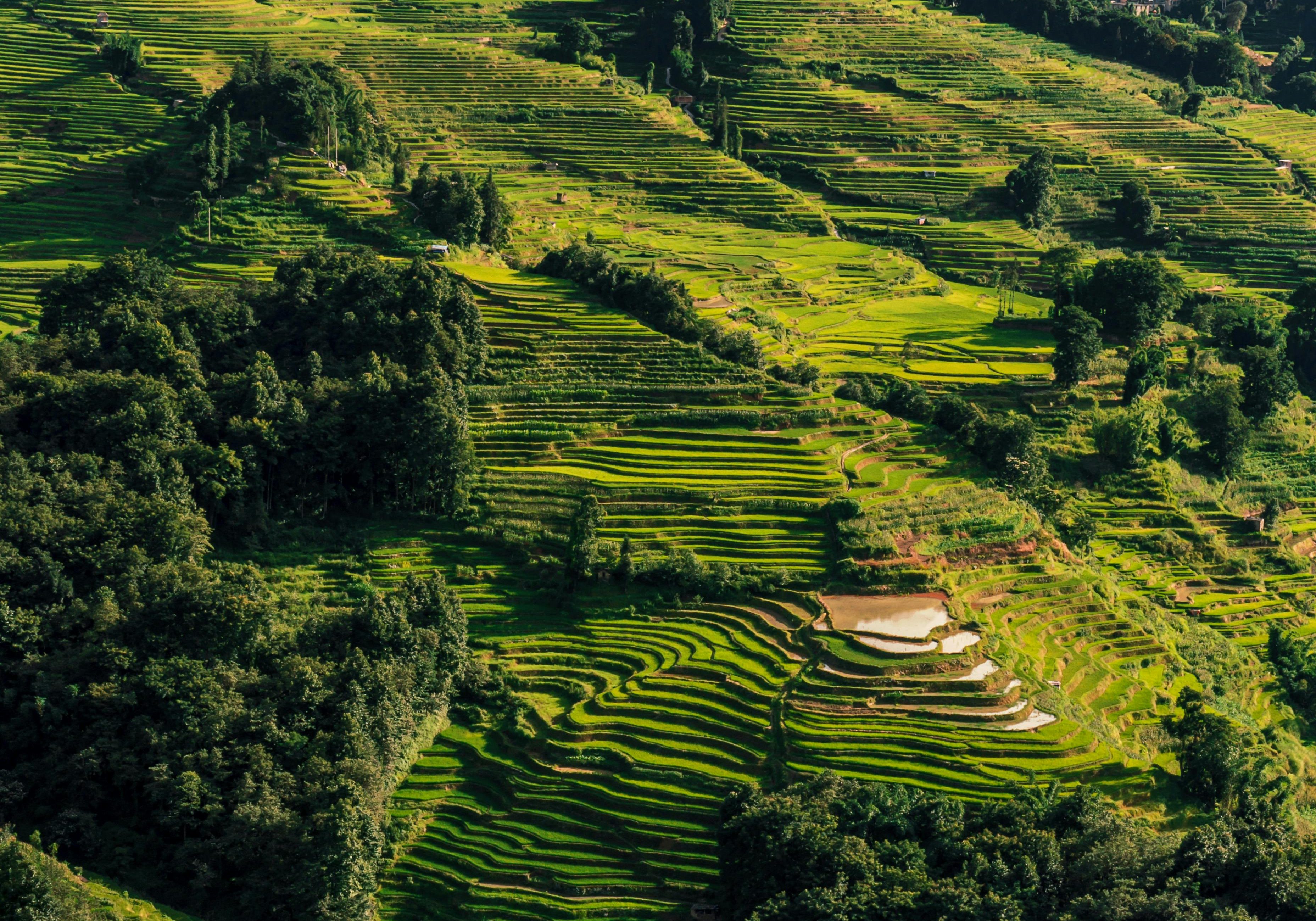
The landscape is one of extraordinary contrast. Deserts, bamboo forests, alpine peaks, subtropical jungles, limestone karst formations and ancient agricultural terraces all exist within a single country. China is home to active seismic regions, vast river systems such as the Yangtze and Yellow River, and ecosystems that support everything from snow leopards to giant pandas.
From remote mountain passes and ancient Great Wall fortresses to hyper-modern cities and high-speed rail networks, the country operates on a scale few places can match. For travellers, it offers an almost unrivalled sense of exploration. Vast, complex and constantly shifting between ancient and futuristic, China rewards those willing to move beyond the obvious and experience the sheer diversity of its landscapes, cultures and histories.

WHERE TO GO
Tourism in China operates on an immense scale, offering everything from ancient imperial cities and mountain monasteries to deserts, jungles and some of the world’s most dramatic high-altitude landscapes. For adventure travellers, China is one of the most diverse countries on Earth. Visitors can hike remote sections of the Great Wall, trek through the Himalayas and Tibetan Plateau, explore karst mountains around Guilin, cycle rice terraces in Yunnan or travel deep into the Gobi Desert and Silk Road regions. The country combines extreme geography with modern infrastructure, allowing travellers to move quickly between ancient landscapes and futuristic mega cities. High-speed rail, expanding domestic tourism and growing interest in outdoor experiences have transformed China into a major adventure destination for those seeking scale, history and raw geographical variety.
One iconic feature is on everyone's radar, the historic and beautiful 'Great Wall of China.'
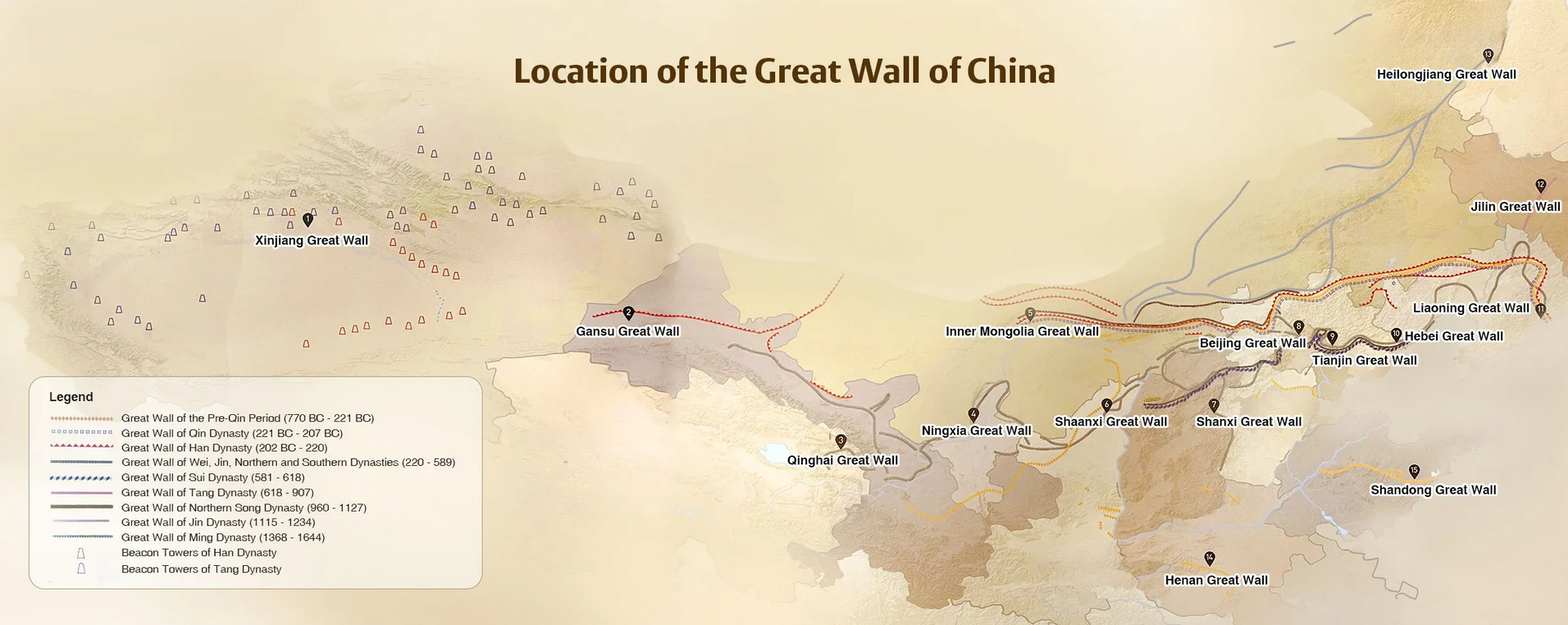
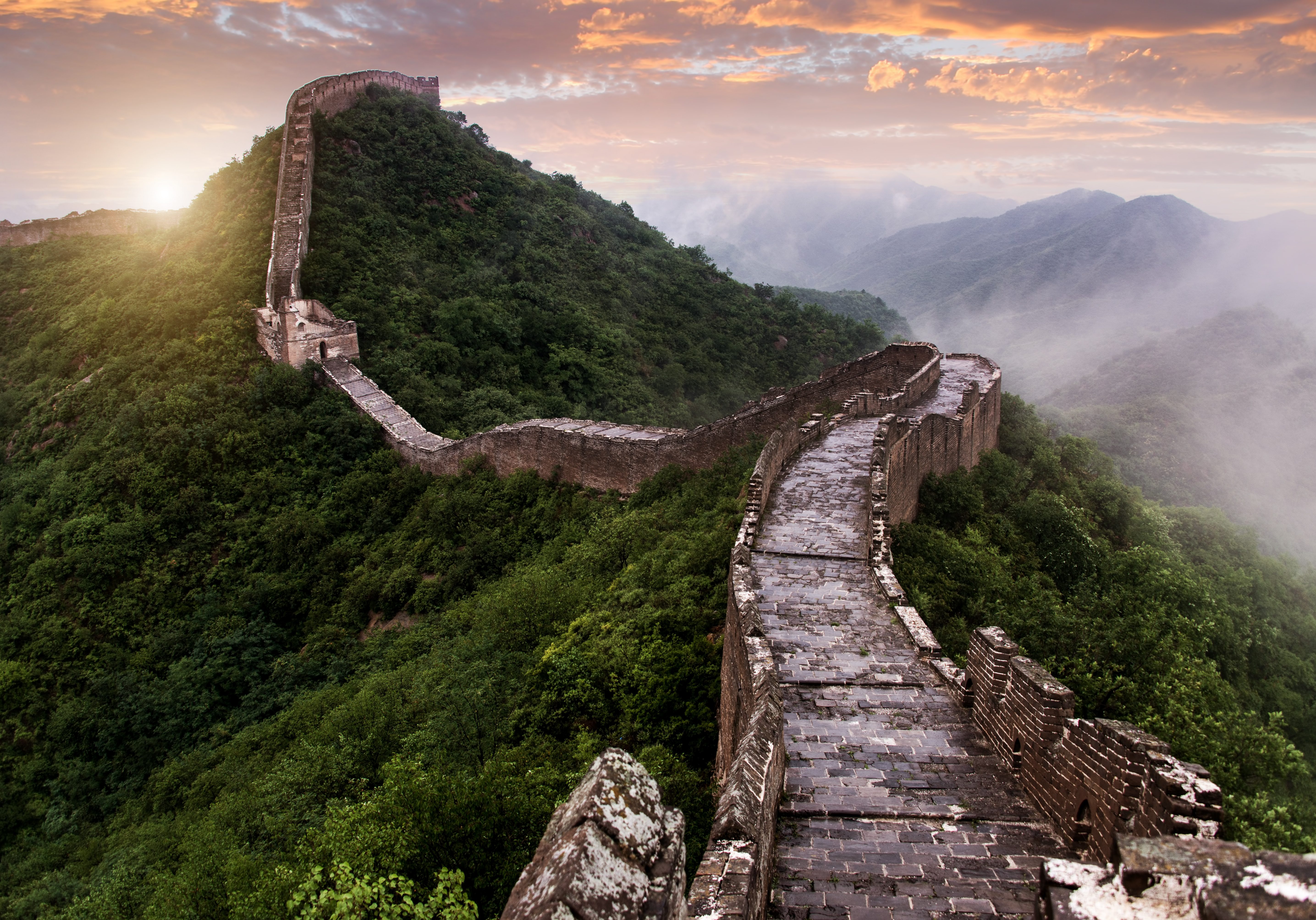
The Great Wall of China is one of the most extraordinary engineering achievements in human history, stretching more than 21,000 kilometres across northern China through mountains, deserts and grasslands, it is 180 times longer than Hadrian's Wall.
THE ORIGINS OF THE GREAT WALL
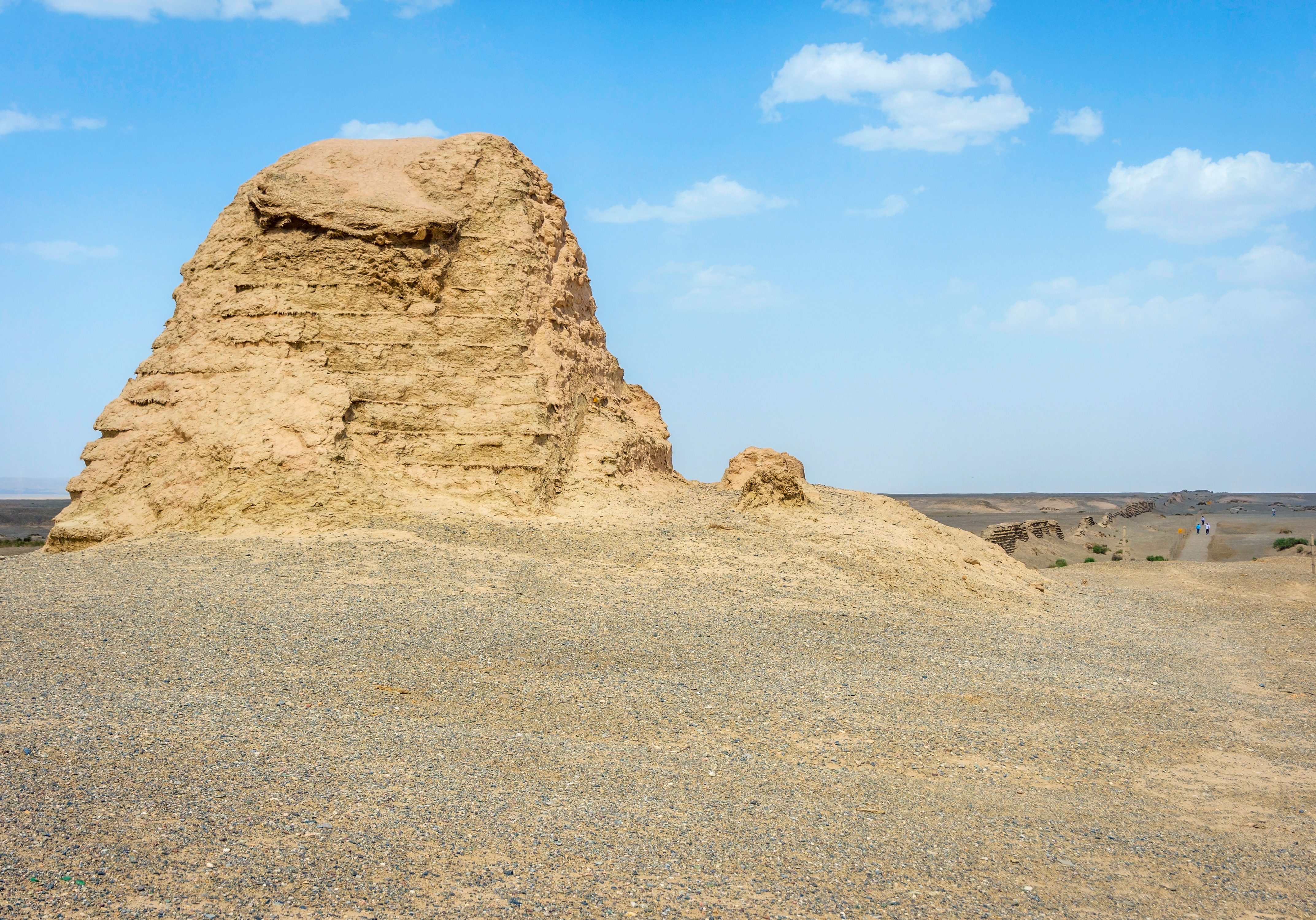
The Great Wall of China traces its origins back more than 2,300 years to the 'Warring States' period, when rival kingdoms across northern China constructed defensive barriers to protect their territories from invasion and raids by nomadic horsemen from the northern steppes. Following the unification of China in 221 BCE, Qin Shi Huang ordered many of these fragmented frontier walls to be linked and expanded, laying the foundations for what would become the Great Wall system. Rather than a single uninterrupted structure, the wall evolved over centuries into an immense network of fortifications, watchtowers, beacon towers and strategic mountain passes stretching across northern China. The strongest and most recognisable sections seen today were largely rebuilt during the Ming Dynasty. Today, the Great Wall remains one of the world’s most iconic symbols of engineering, resilience and imperial ambition, attracting millions of visitors every year.
MAKING THE GREAT WALL
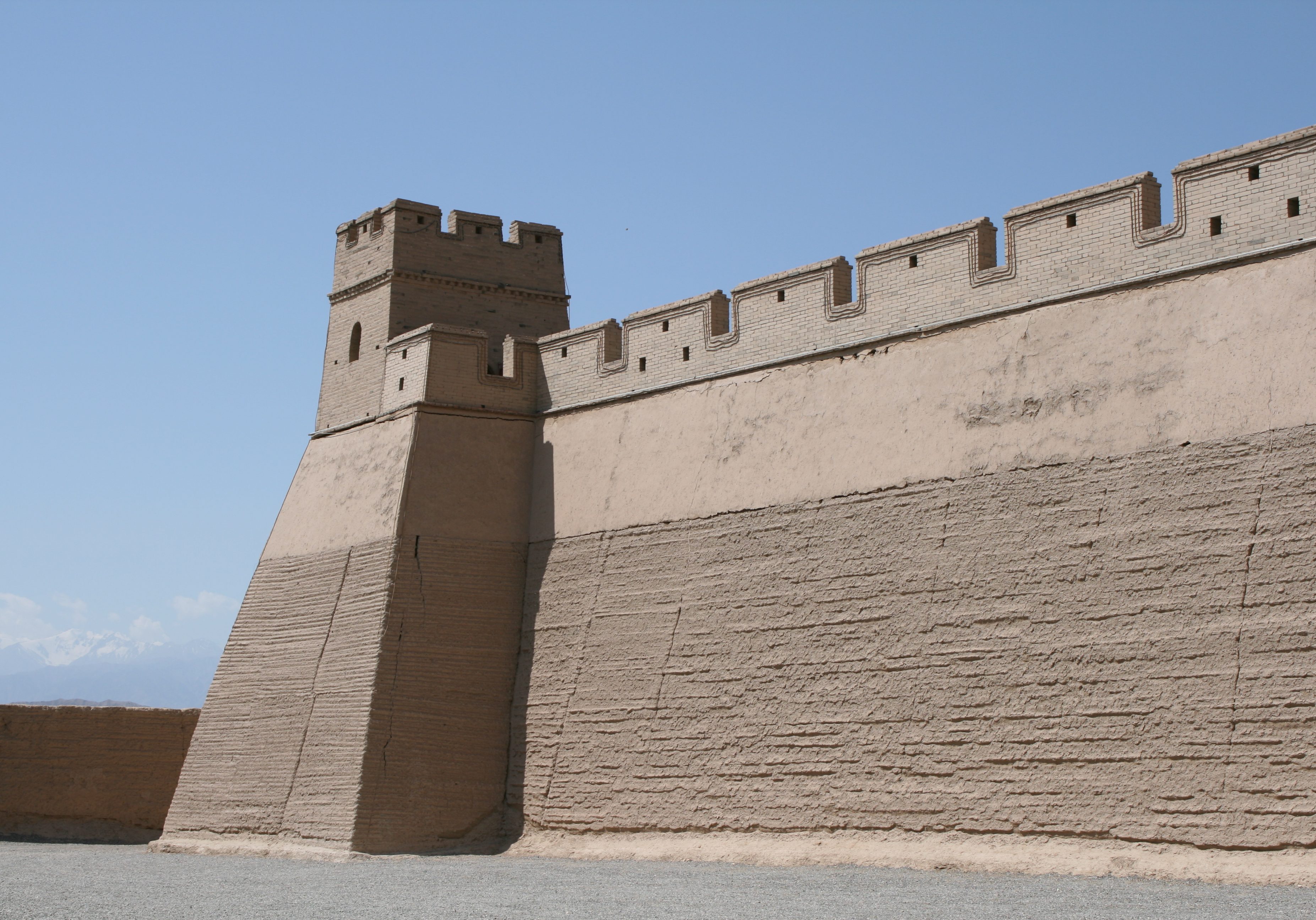
The construction of the Great Wall of China was one of the largest and most demanding engineering projects in human history, built over centuries by soldiers, peasants, prisoners and forced labourers working in extreme conditions across mountains, deserts and remote frontier regions. Early walls were formed from rammed earth and timber, while later Ming Dynasty sections used millions of bricks and cut stone hauled by hand along steep ridge lines.
The main construction phase of the Great Wall of China that visitors recognise today took place during the Ming Dynasty, particularly between the 15th and 16th centuries. Workers faced freezing winters, brutal heat, disease, exhaustion and frequent accidents. Historians believe hundreds of thousands, and possibly more than one million people, may have died during the wall’s construction over its long history, giving rise to legends that describe the Great Wall as the “longest cemetery on Earth.”
HUANGYAGUAN REGION
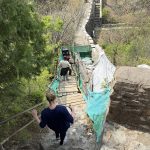
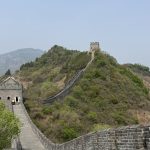
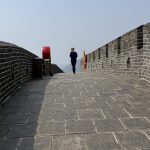
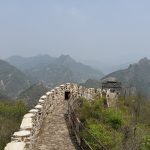
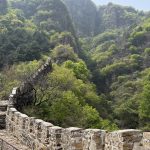
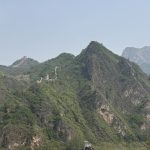
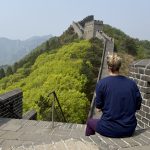
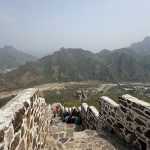
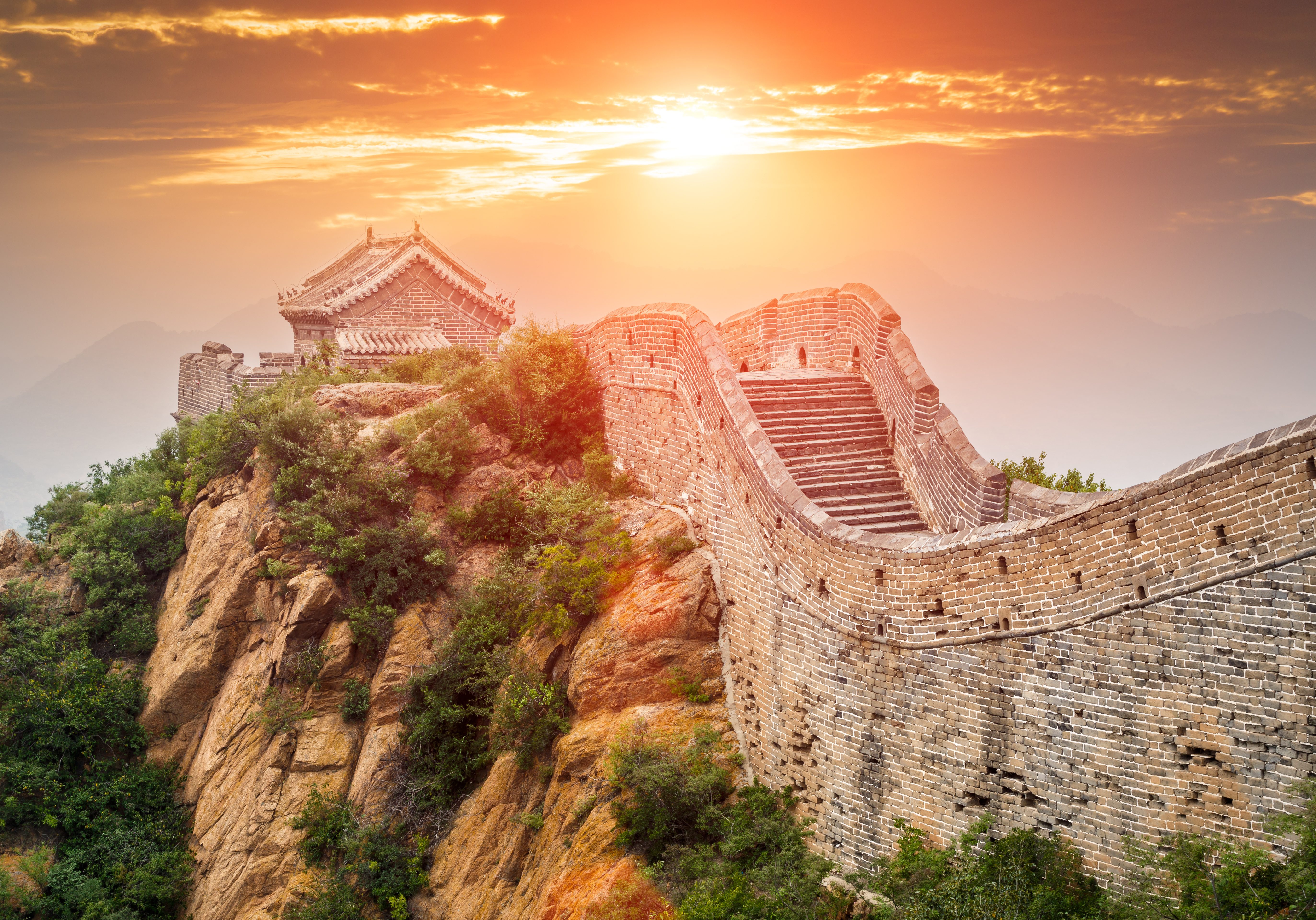
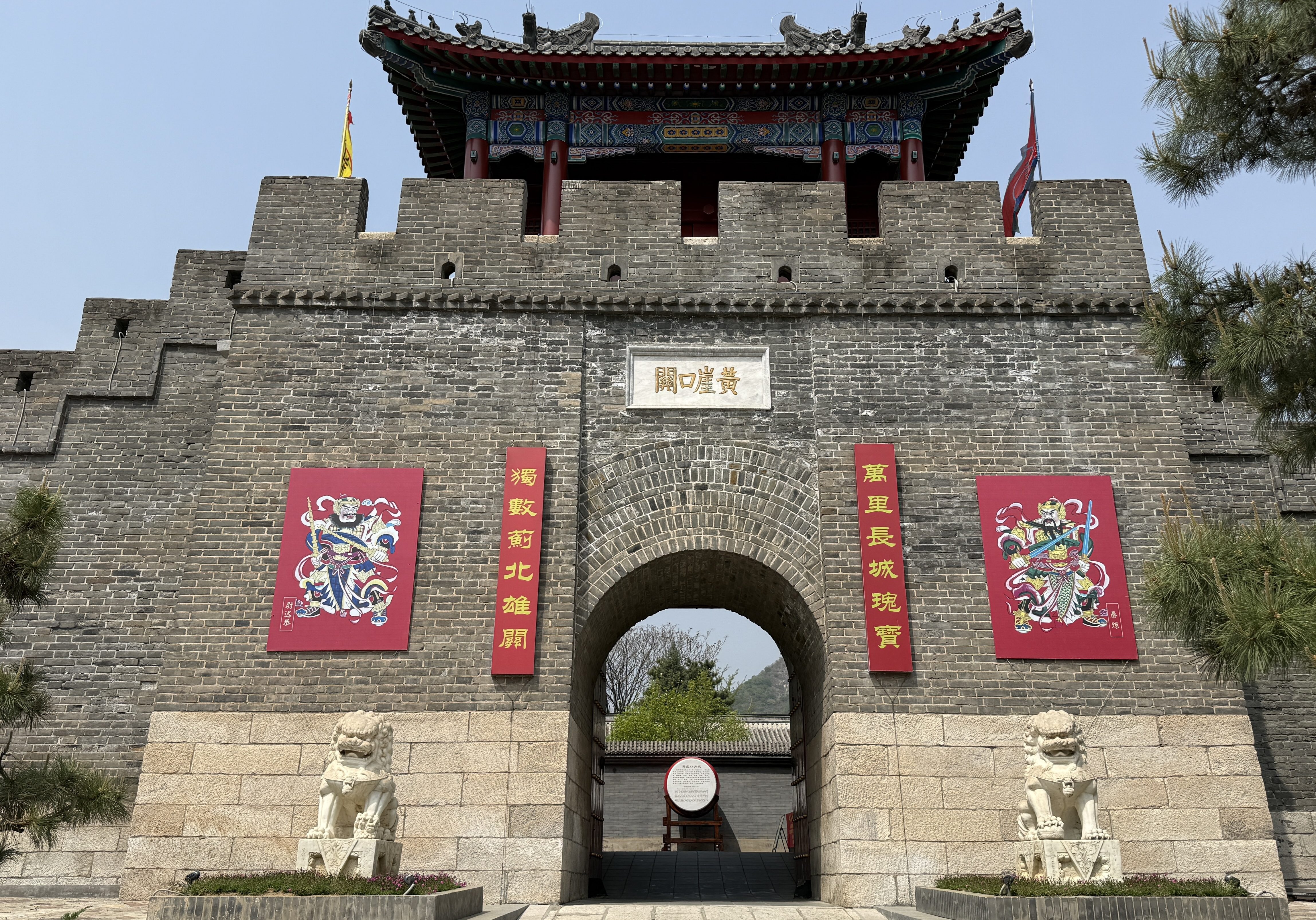
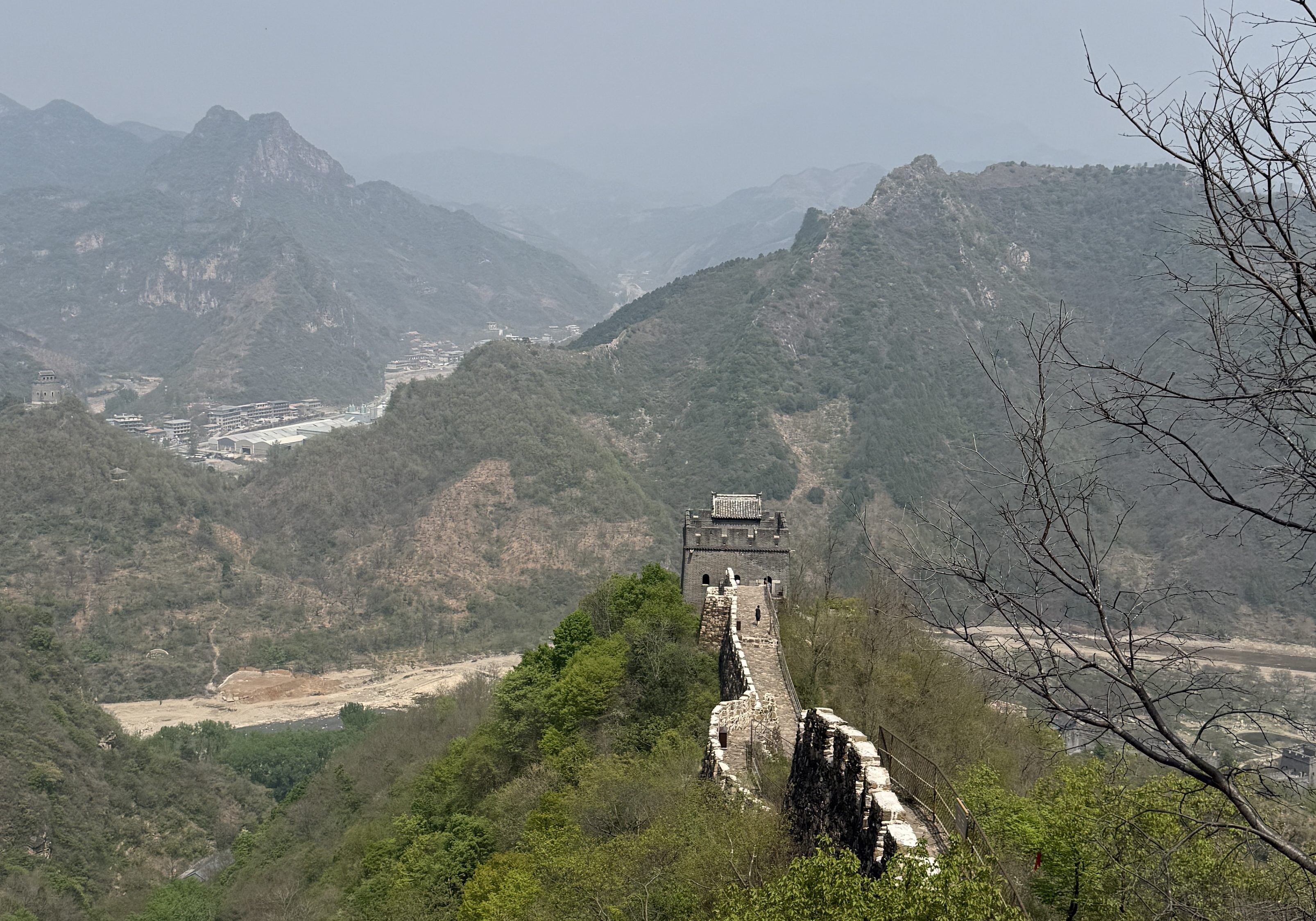
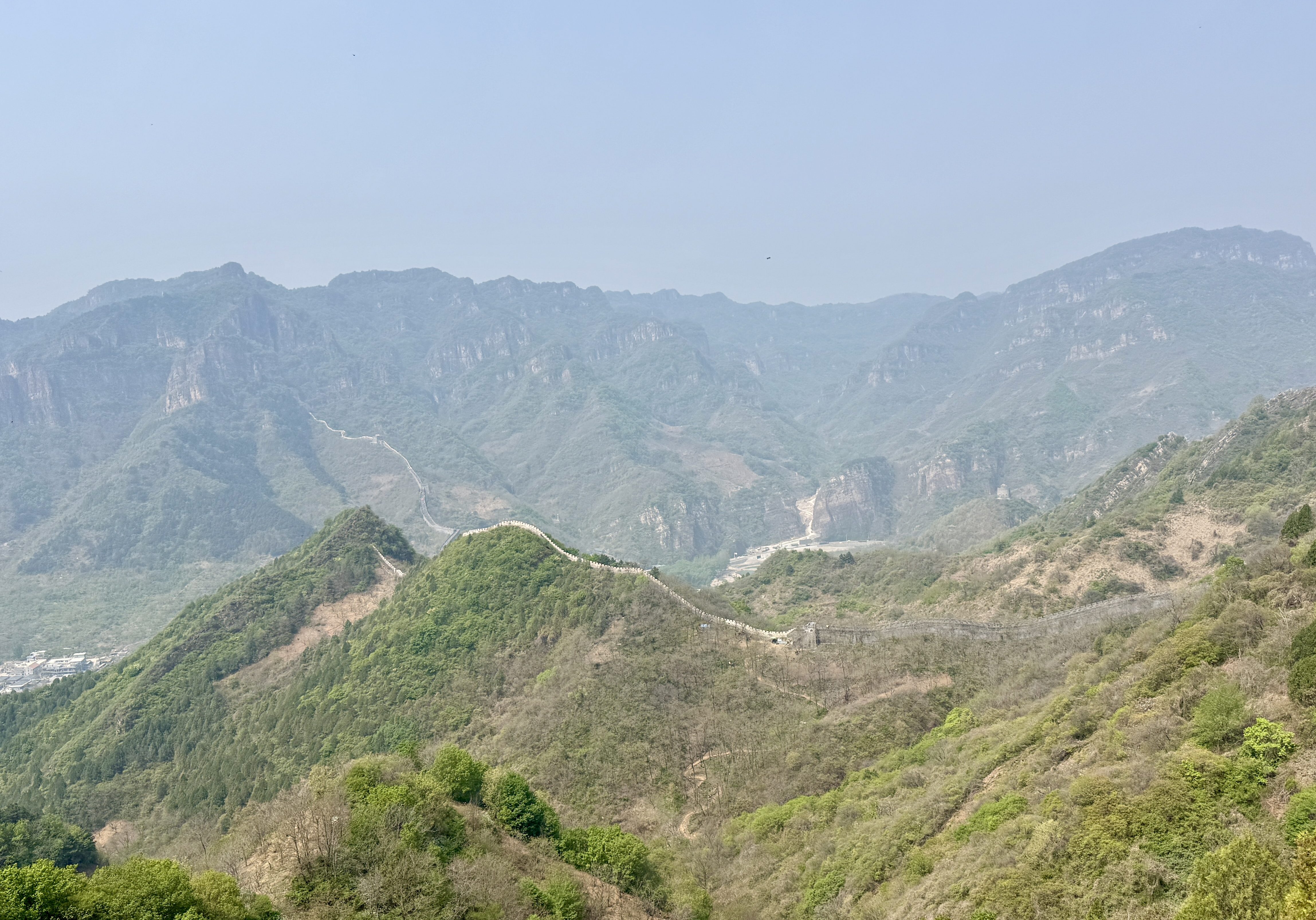
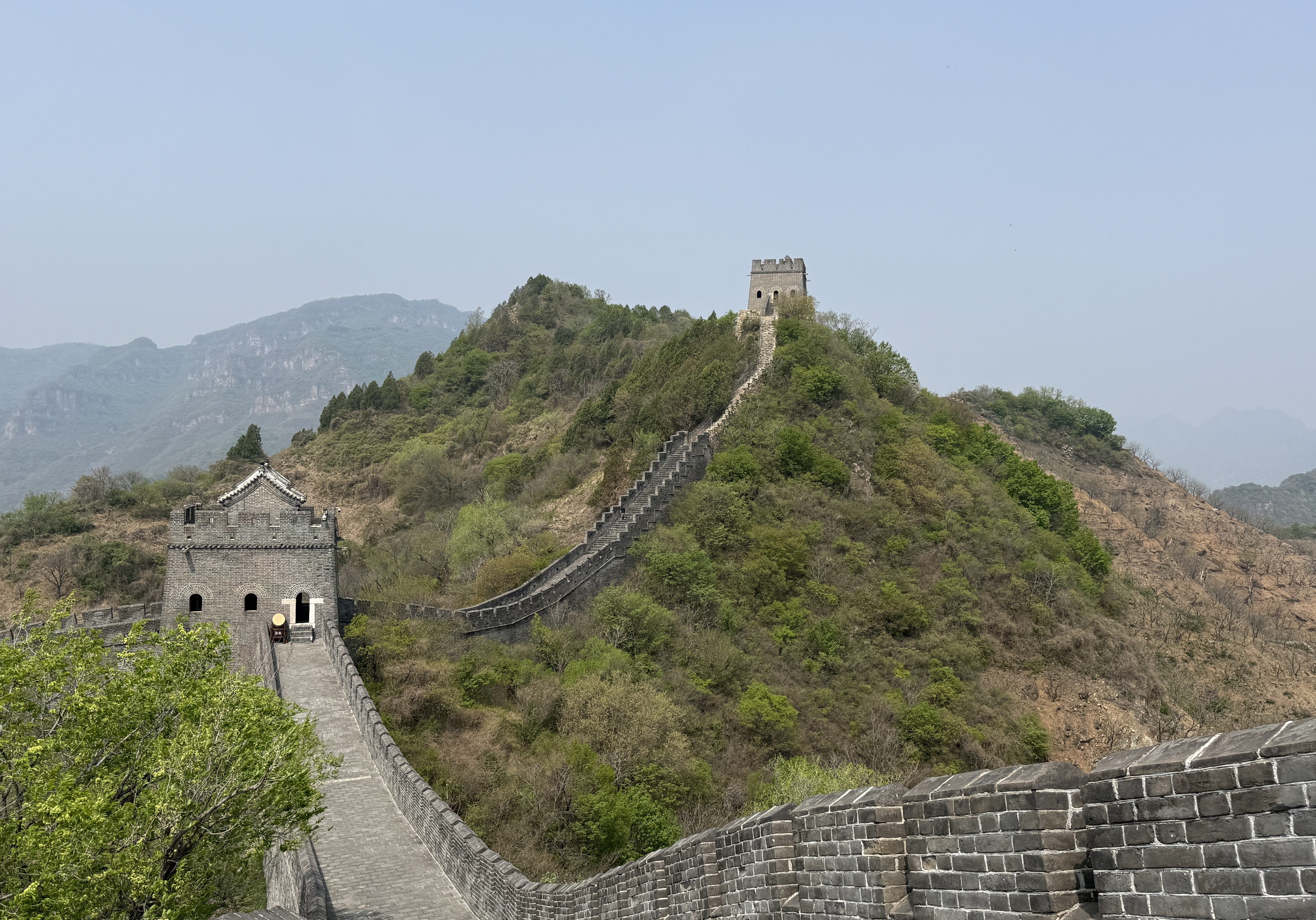
In 2026, we visited the Huangyaguan Great Wall section of the Great Wall and what unfolded before us was extraordinary. Set deep within the rugged mountains north of Tianjin, the Huangyaguan region lies close to the historic frontier between the fertile agricultural heartlands of northern China and the vast open steppes beyond. The landscape is dramatic and unforgiving, shaped by steep ridgelines, rocky cliffs and narrow valleys that naturally channel movement through a handful of strategic mountain passes. One of these became Huangyaguan, or “Yellow Cliff Pass”, named after the golden cliffs that glow in the evening sunlight around the fortress. The wall was built here because this mountain corridor formed a vital gateway toward Beijing and the North China Plain. For centuries, northern cavalry forces, particularly Mongol raiders, used routes like these to move south into Chinese territory. Huangyaguan became one of the most strategically important defensive positions on the frontier, allowing soldiers to monitor troop movements, relay warnings and slow advancing forces before they could reach major settlements and farmland.
GENERAL QI JIGUANG
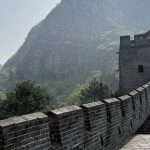
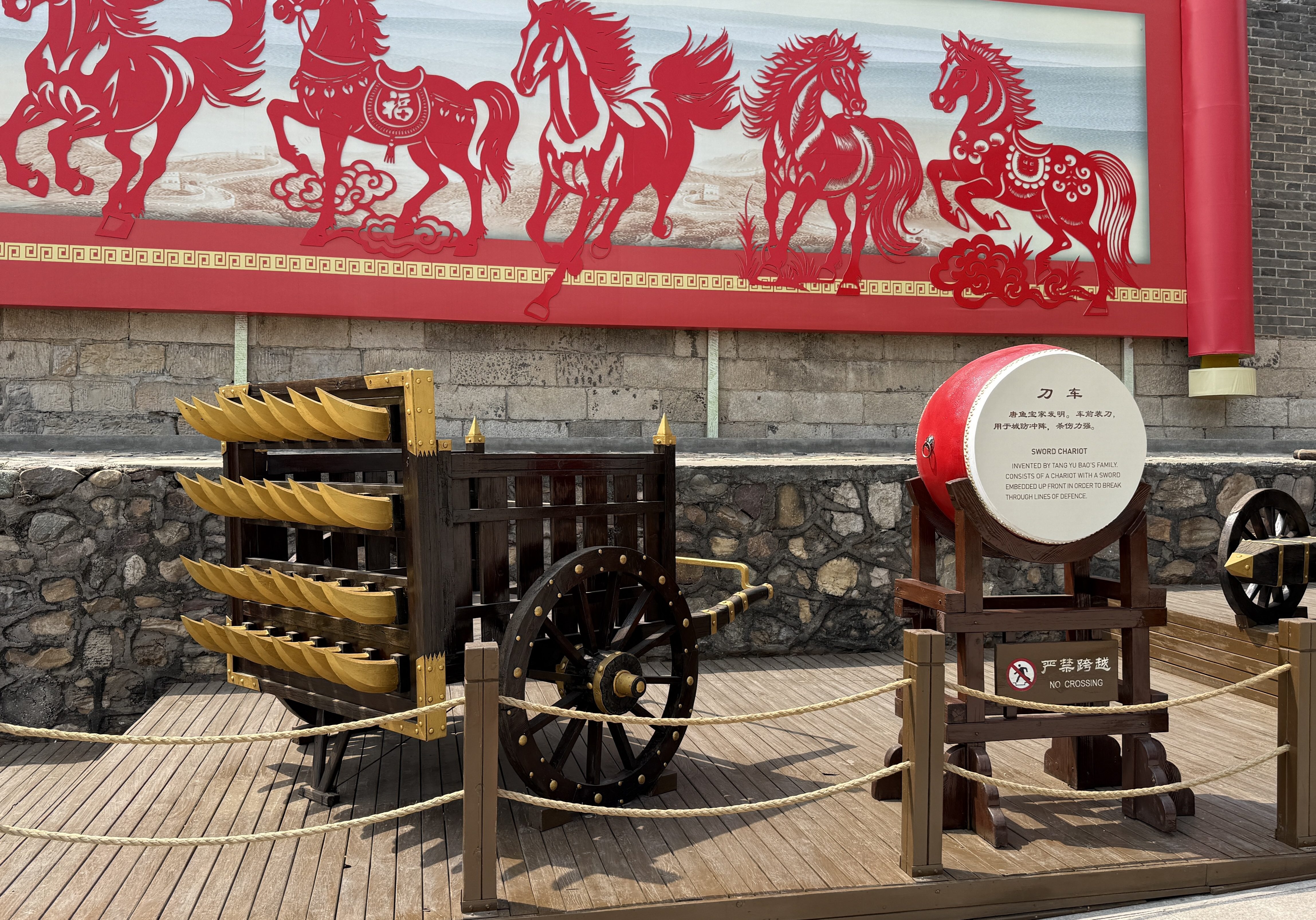
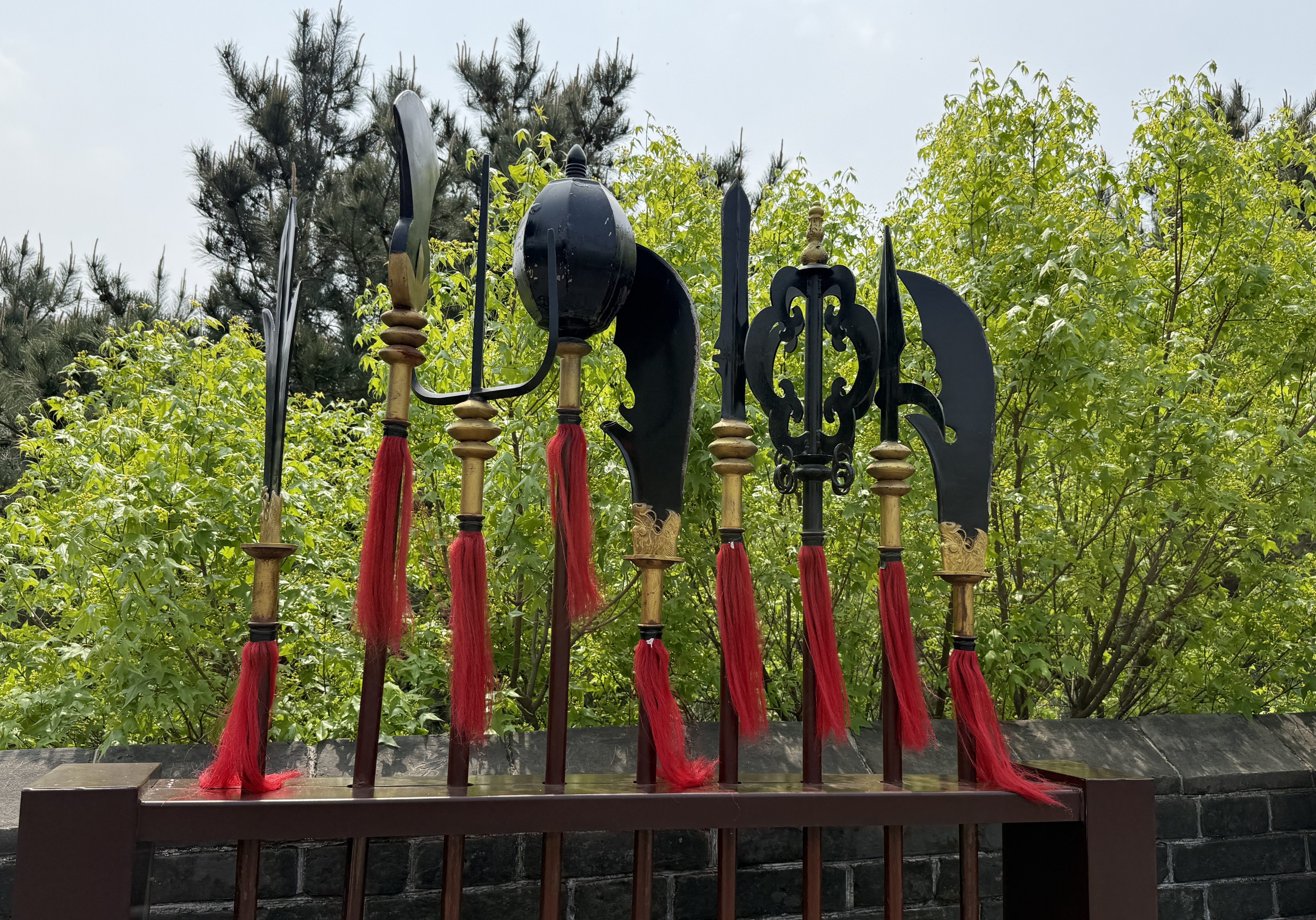
During the Ming Dynasty, the Huangyaguan Great Wall section was extensively rebuilt and strengthened as part of a vast military effort to defend northern China from repeated Mongol incursions. Under the command of Qi Jiguang in the late 16th century, older earth and stone fortifications were transformed into a sophisticated defensive system using brick, cut stone and strategically positioned watchtowers. The rebuilt wall followed the steep mountain ridgelines with remarkable precision, incorporating beacon towers, fortified gates and layered defensive positions designed to maximise visibility and slow attacking forces. Much of the dramatic architecture visible at Huangyaguan today dates from this Ming reconstruction period, though in 1980 large parts of this wall we were rebuilt, as the State launched a restoration programme.
Qi Jiguang was one of the most influential military commanders of the Ming Dynasty and played a major role in strengthening China’s northern frontier defences during the 16th century. Renowned for his discipline, strategic thinking and military reforms, Qi transformed poorly trained forces into highly effective fighting units capable of defending against Mongol cavalry raids and coastal pirate attacks. His military writings and battlefield tactics influenced Chinese warfare for centuries, and he remains regarded as one of China’s greatest military reformers.
WALKING THE GREAT WALL
Level of Effort: 3/5
Take: Water, sun protection
Duration: 1 Day
When: Spring / Summer
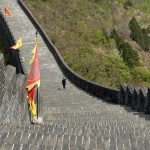
If you plan to walk the Huangyaguan Great Wall section of the Great Wall, proper footwear is essential as the steep stone staircases and uneven mountain paths can be surprisingly demanding. Lightweight walking shoes or trail trainers with good grip are ideal, particularly during warmer months when temperatures can rise quickly on the exposed ridge lines. Comfortable layered clothing, sun protection and plenty of water are strongly recommended, especially if attempting the longer climbs around the Yellow Cliff Pass and “Stairway to Heaven” (vertical climb of over 350 steps) sections where the ascent becomes relentless.
Entry to the Huangyaguan scenic area is relatively affordable by international standards, with tickets typically costing around 70 to 90 RMB per person depending on the season and route access, while private transport from Beijing or Tianjin often becomes the largest expense 900 RMB.
Despite the physical challenge, the experience feels far removed from a typical tourist attraction, offering instead a genuine sense of scale, isolation and frontier history high in the mountains of northern China. If you are lucky you might have the wall to yourselves like we did.
Distance Walked: 8Kms
Steps Climbed: Over 10, 000
Flights Climbed: 310
Elevation Gained: 500m